Soft Staging: The Smart Way to Showcase New Construction Homes
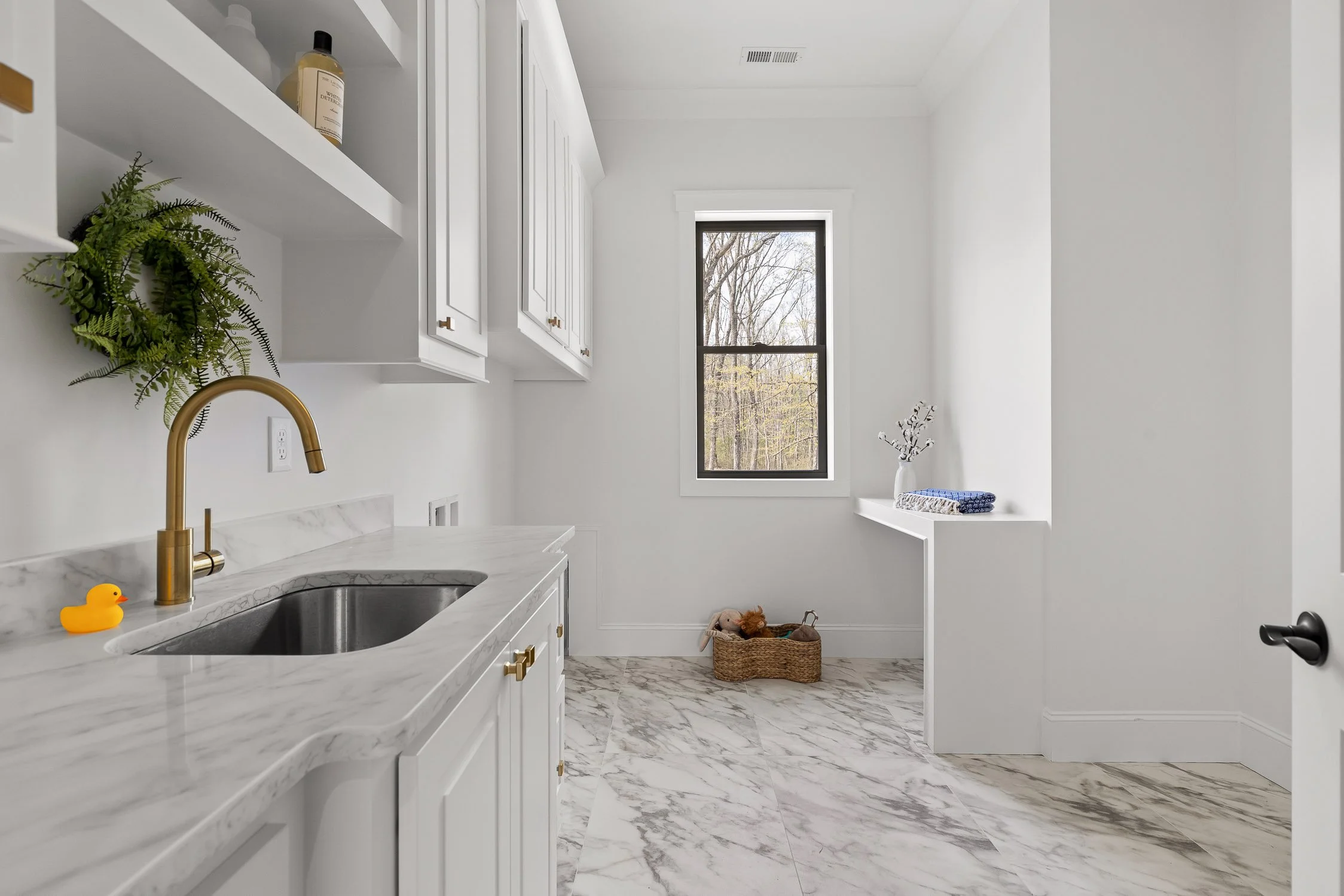
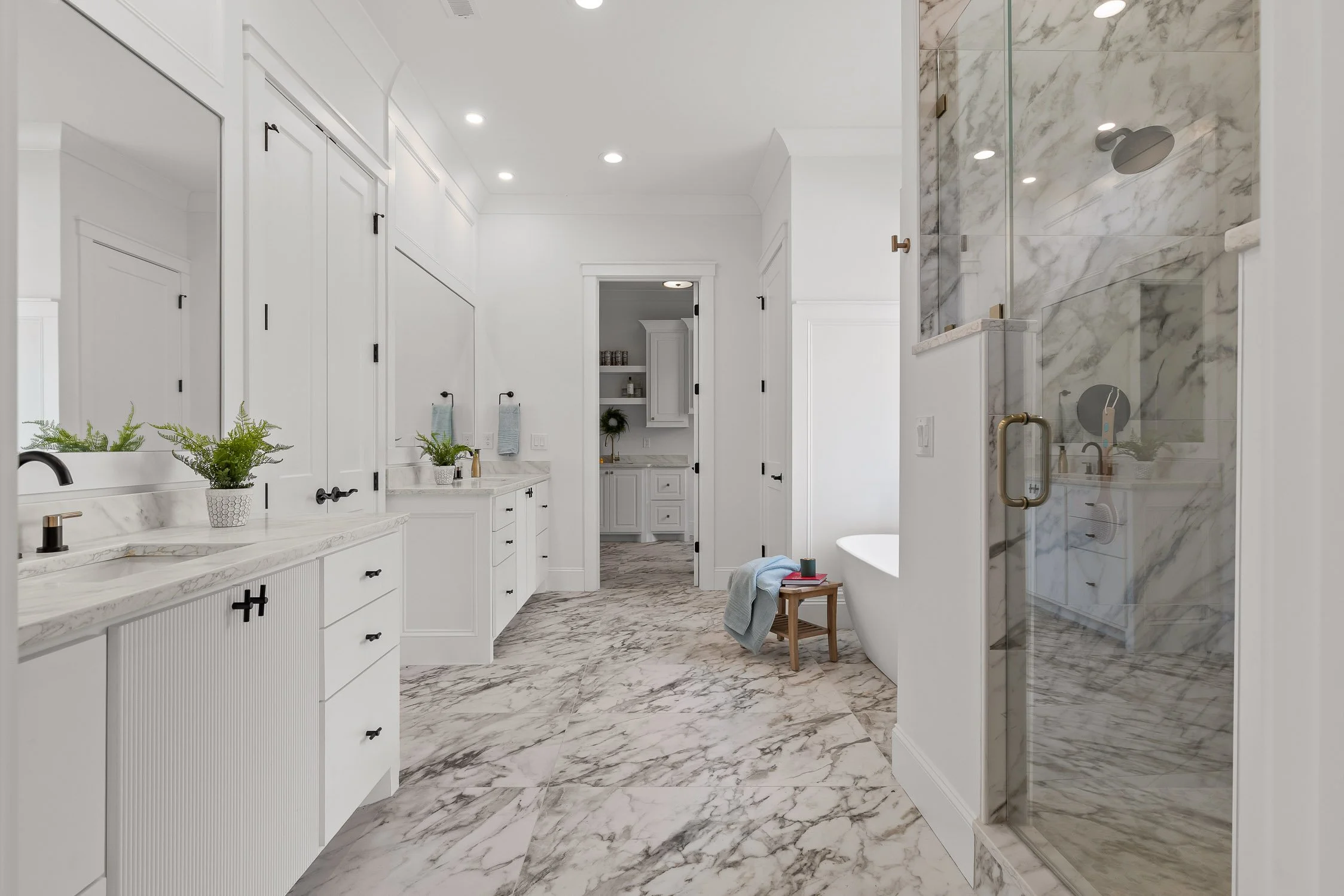
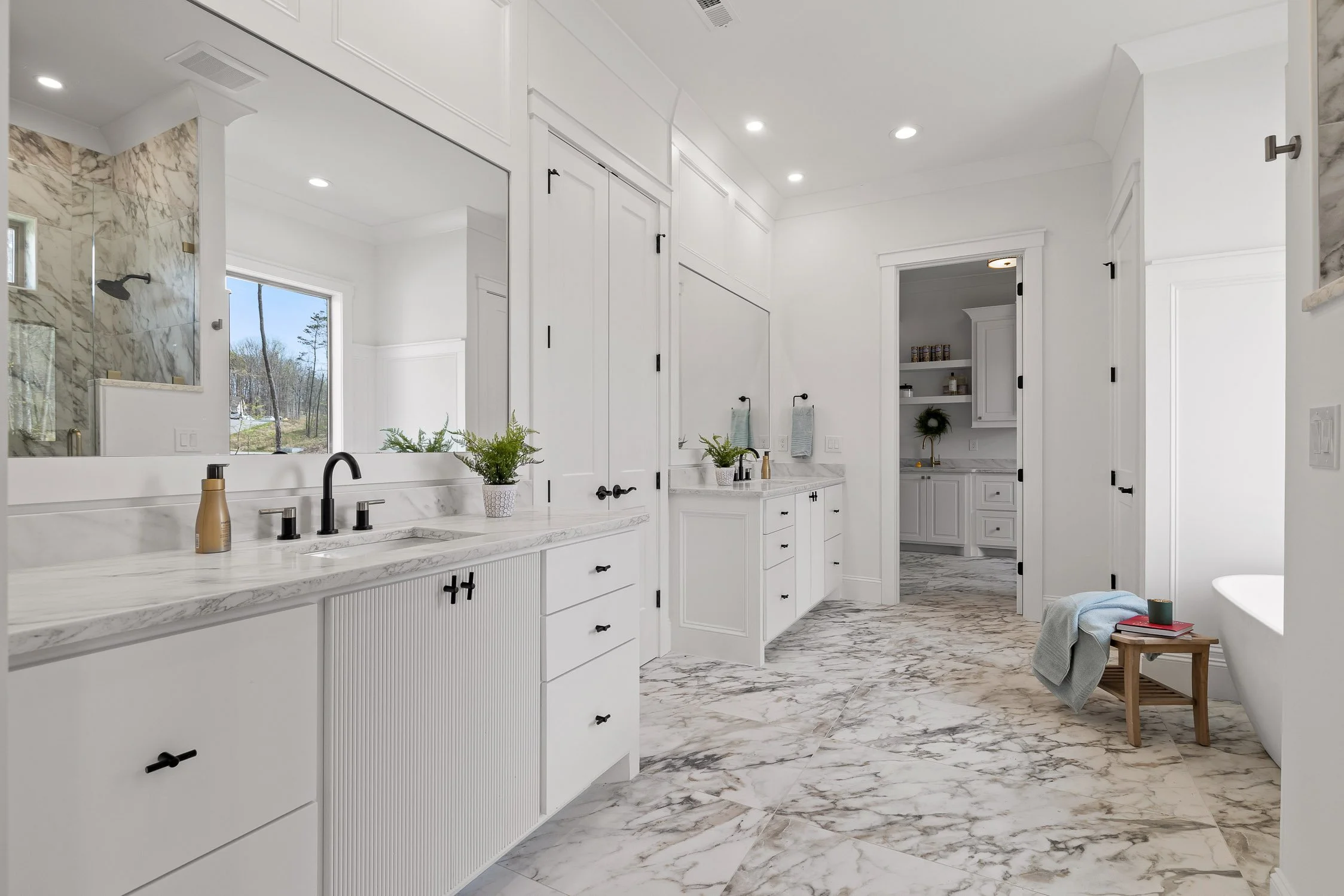
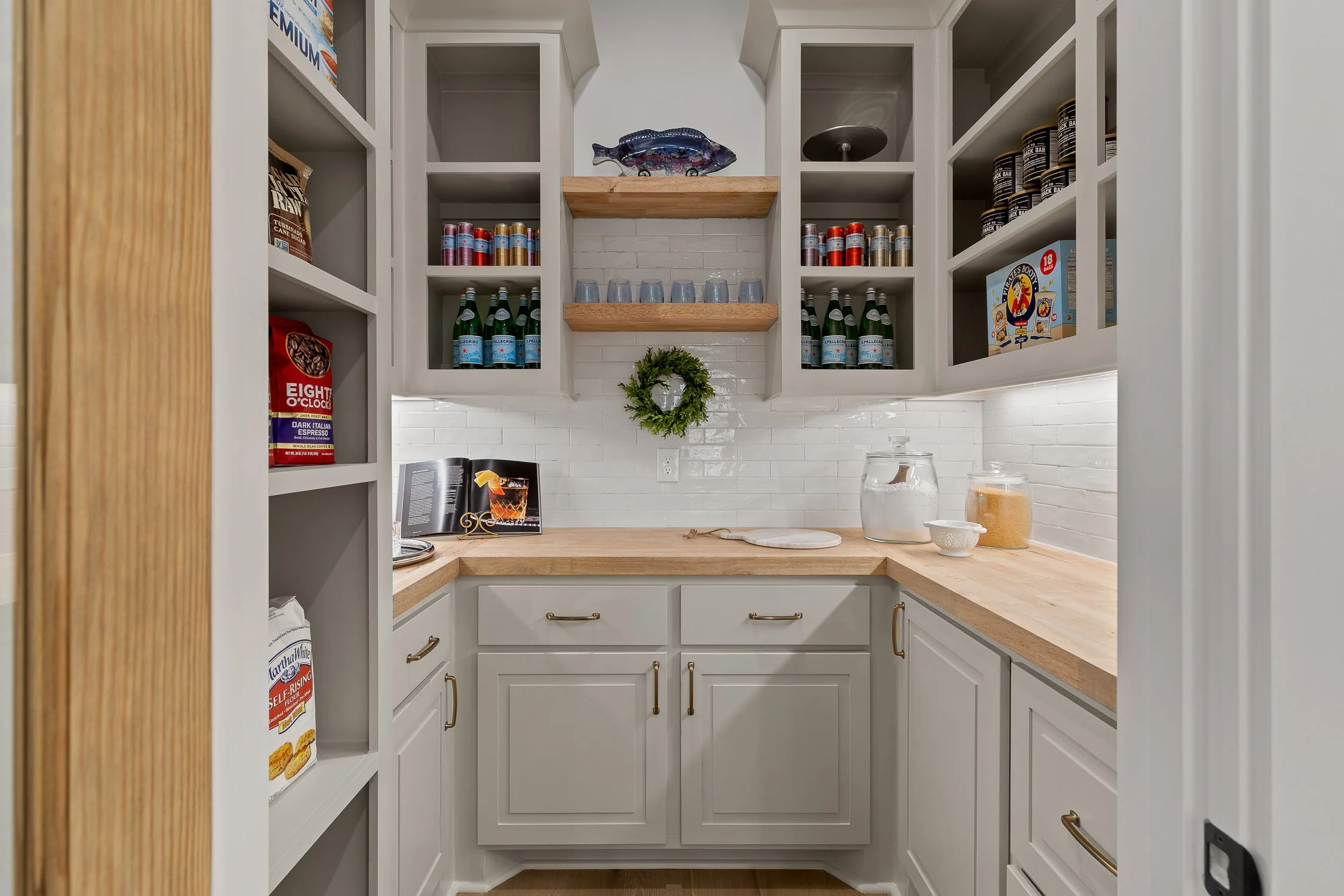
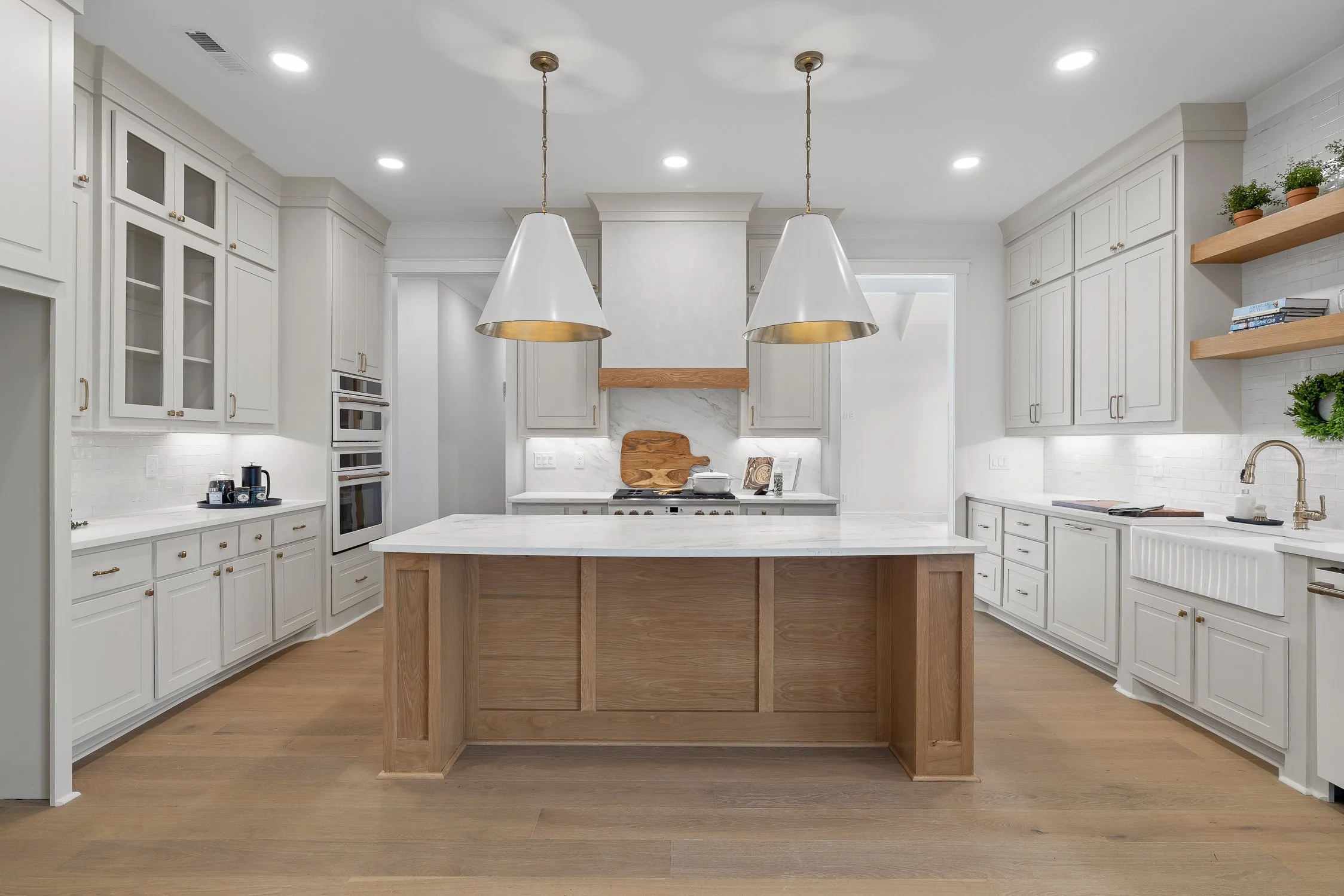
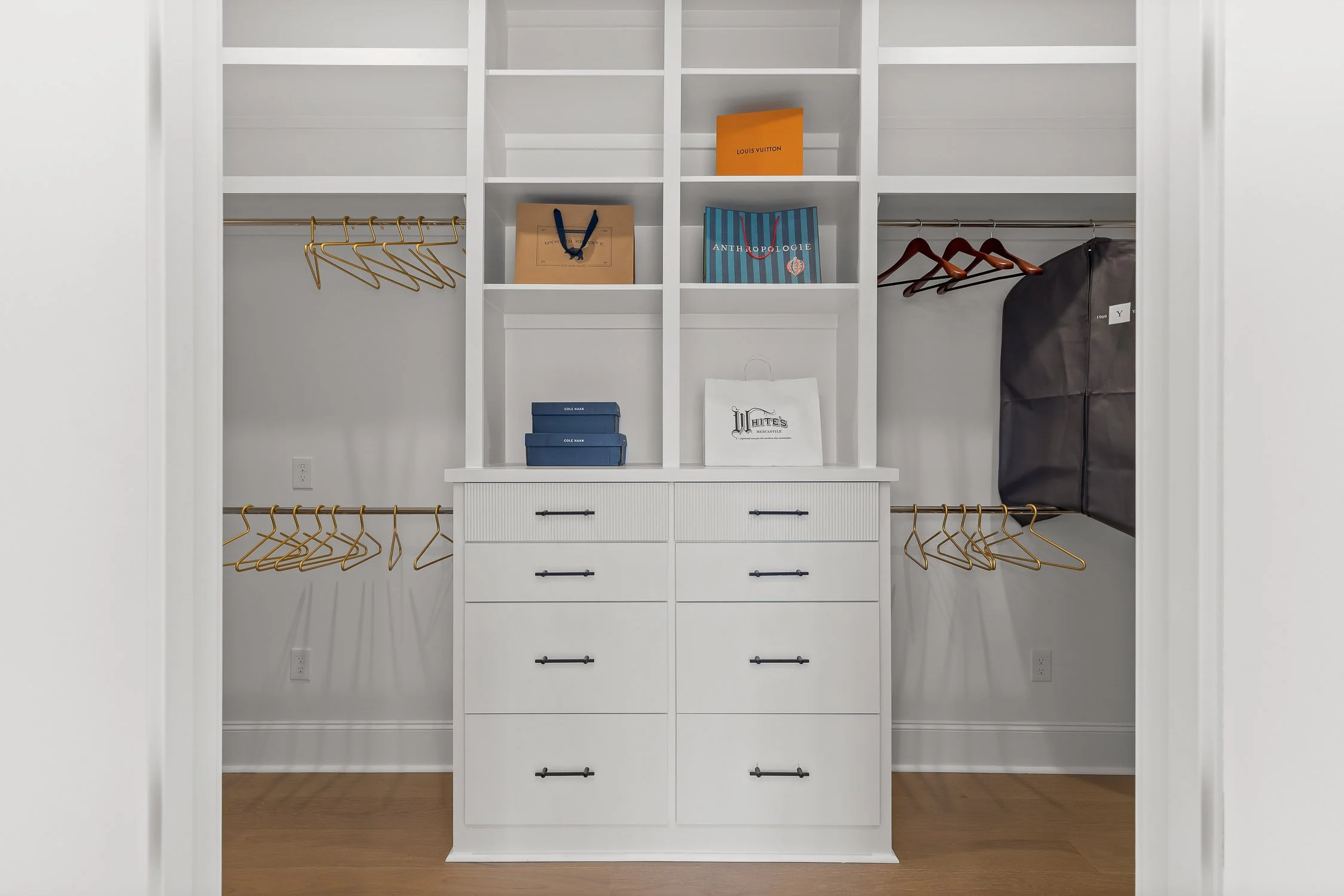
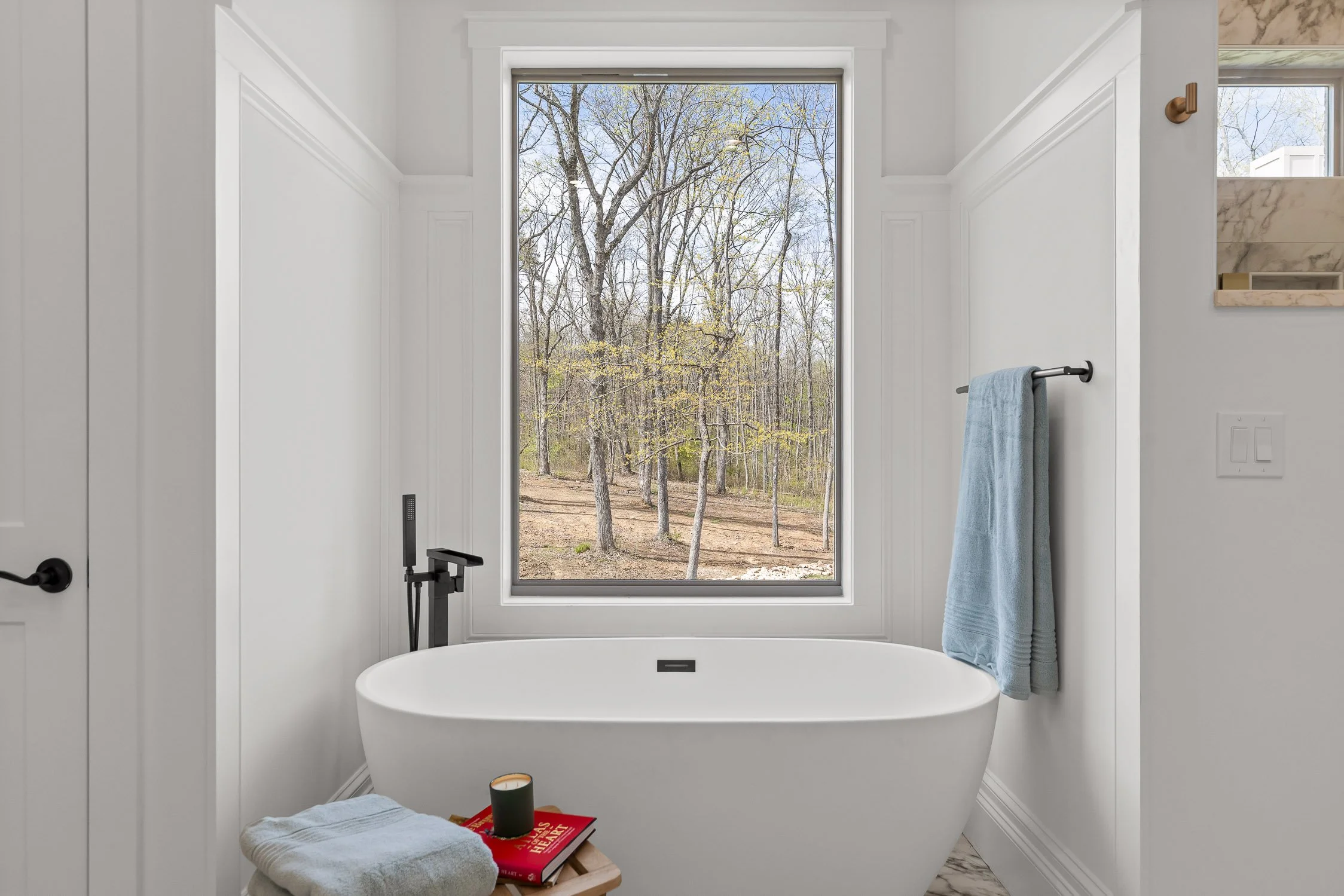
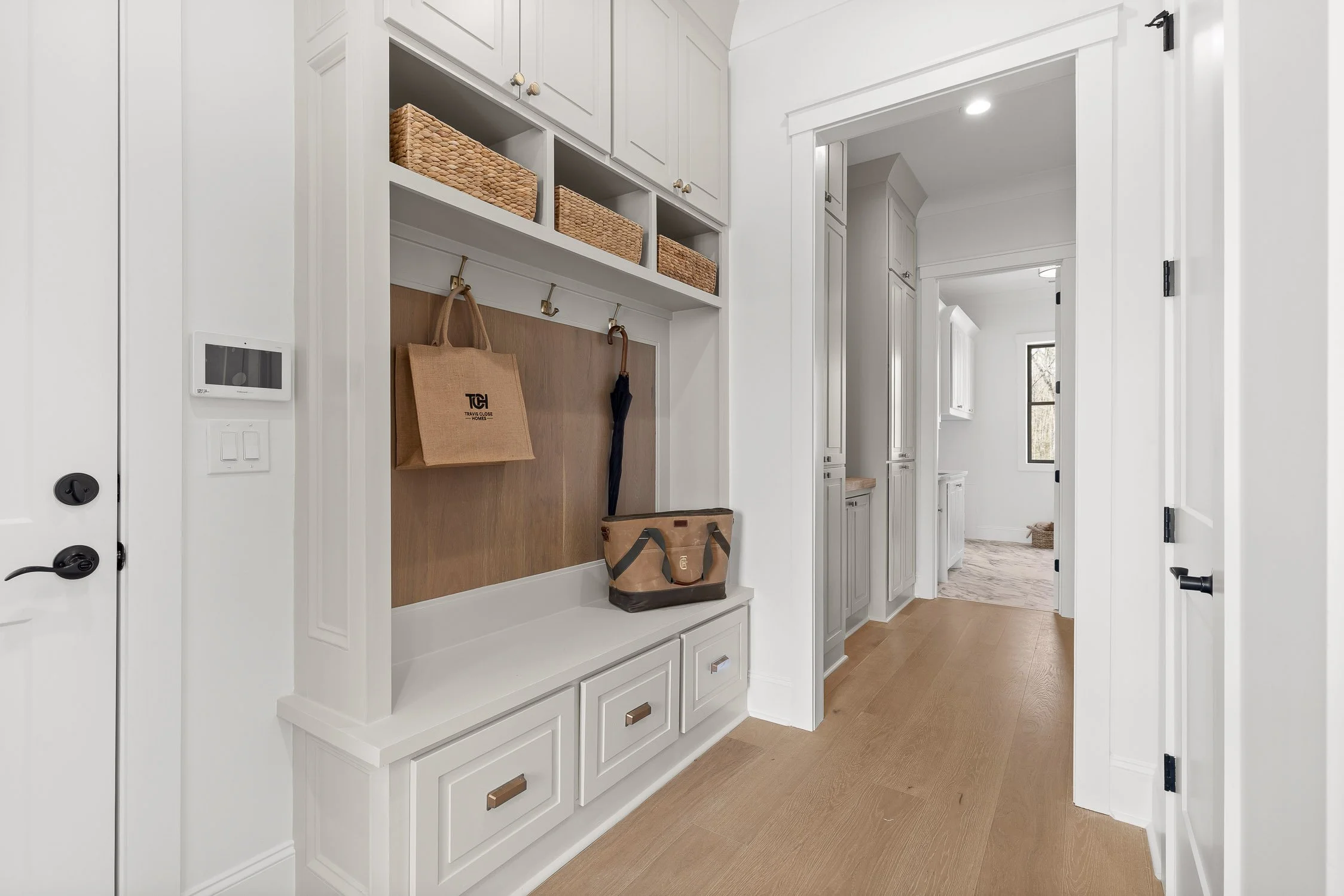
When it comes to selling new construction homes, presentation is everything—but that doesn’t mean you need to fully furnish every room with expensive designer pieces. Enter soft staging: a strategic, cost-effective approach that helps buyers emotionally connect with a space while still appreciating its clean, brand-new appeal.
What Is Soft Staging?
Soft staging sits somewhere between a completely empty home and full-scale staging. Instead of filling every room, it focuses on key areas and subtle enhancements—think a sofa and coffee table in the living room, bar stools at the kitchen island, or a bed frame with simple linens in the primary bedroom.
The goal is simple:
Help buyers visualize how the home lives—without overwhelming the space.
Why Soft Staging Works So Well for New Construction
1. Highlights the Architecture
New builds are all about clean lines, modern layouts, and fresh finishes. Soft staging keeps the focus on:
Open floor plans
High ceilings
Natural light
Upgraded finishes
Instead of competing with the design, it complements it.
2. Creates Emotional Connection Without Clutter
Empty homes can feel cold and hard to relate to. Fully staged homes can sometimes feel overdone or impersonal. Soft staging strikes the balance:
Warm, inviting
Easy to imagine living in
Not distracting
Buyers can mentally “move in” faster.
3. Cost-Effective for Builders and Developers
Full staging can be expensive—especially if you’re managing multiple properties. Soft staging:
Requires fewer pieces
Reduces rental and labor costs
Can be replicated across multiple homes
For spec homes or communities with several listings, this adds up quickly.
4. Speeds Up the Selling Process
Homes that feel “finished” tend to sell faster. With soft staging:
Photos look more appealing online
Showings feel more intentional
Buyers linger longer in key spaces
That often translates to quicker offers and stronger pricing.
Key Areas to Soft Stage
If you’re going to invest in soft staging, focus on the rooms that matter most:
Living Room
Anchor the space with a sofa and rug
Add a coffee table and simple décor
Define the layout in open-concept homes
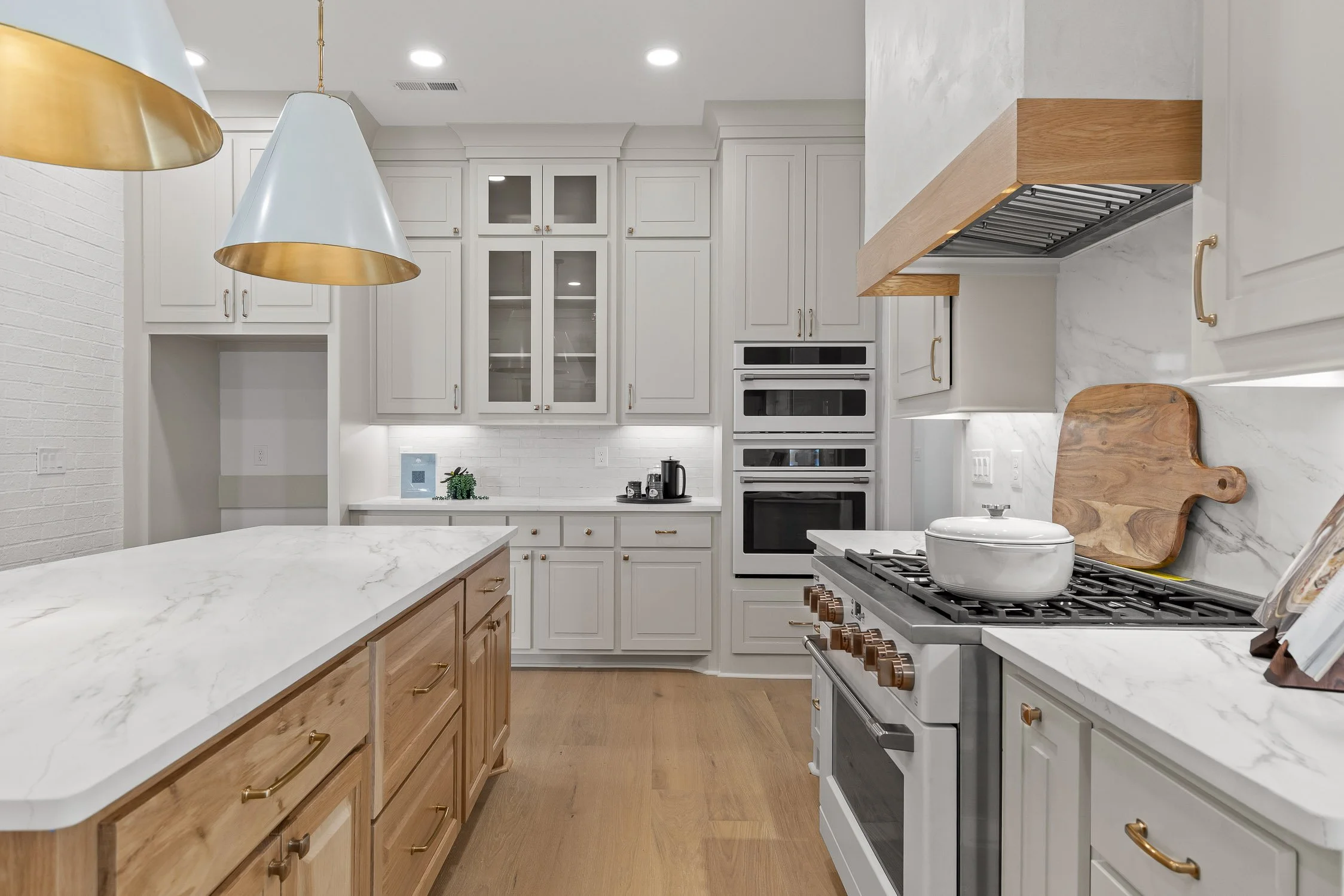
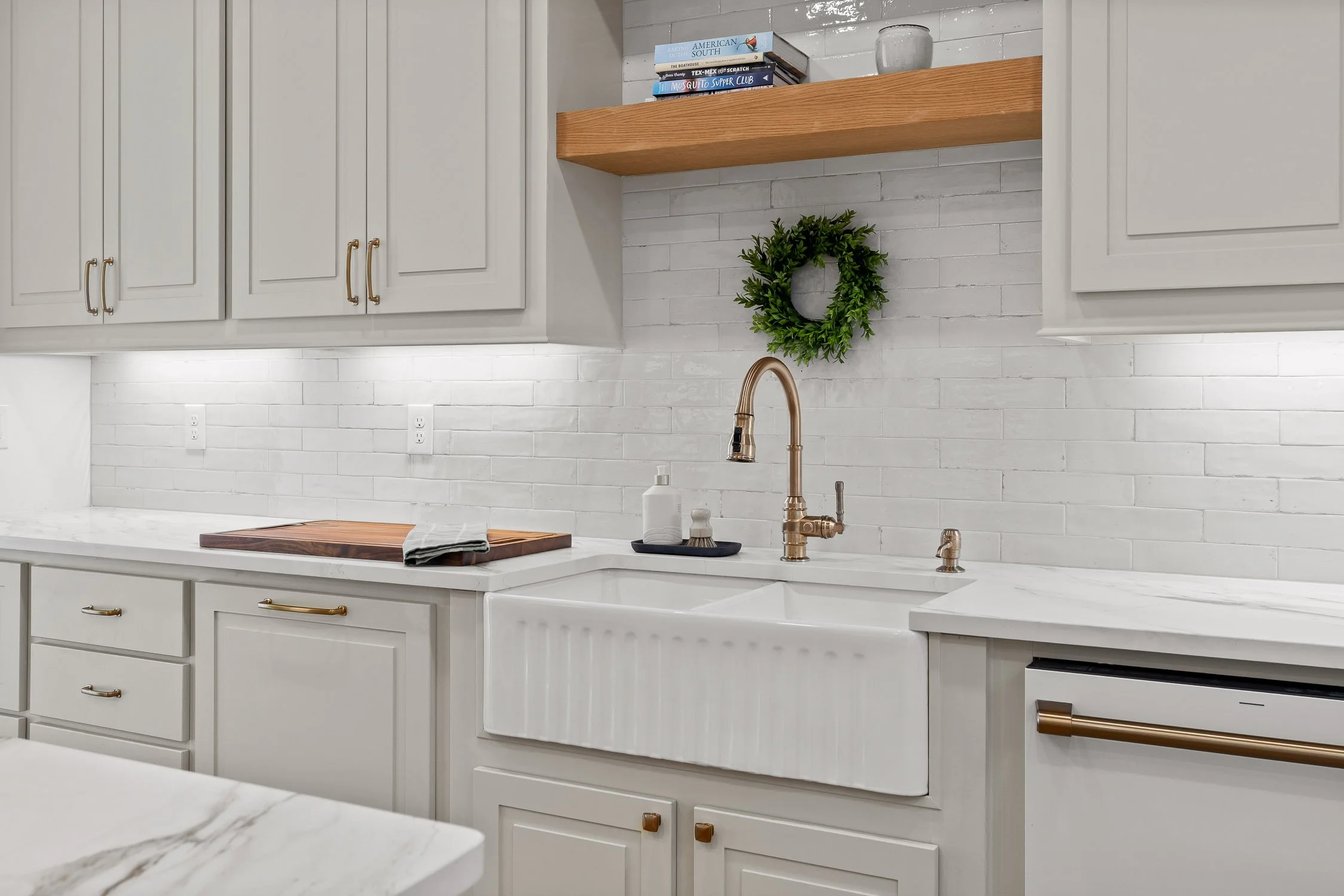
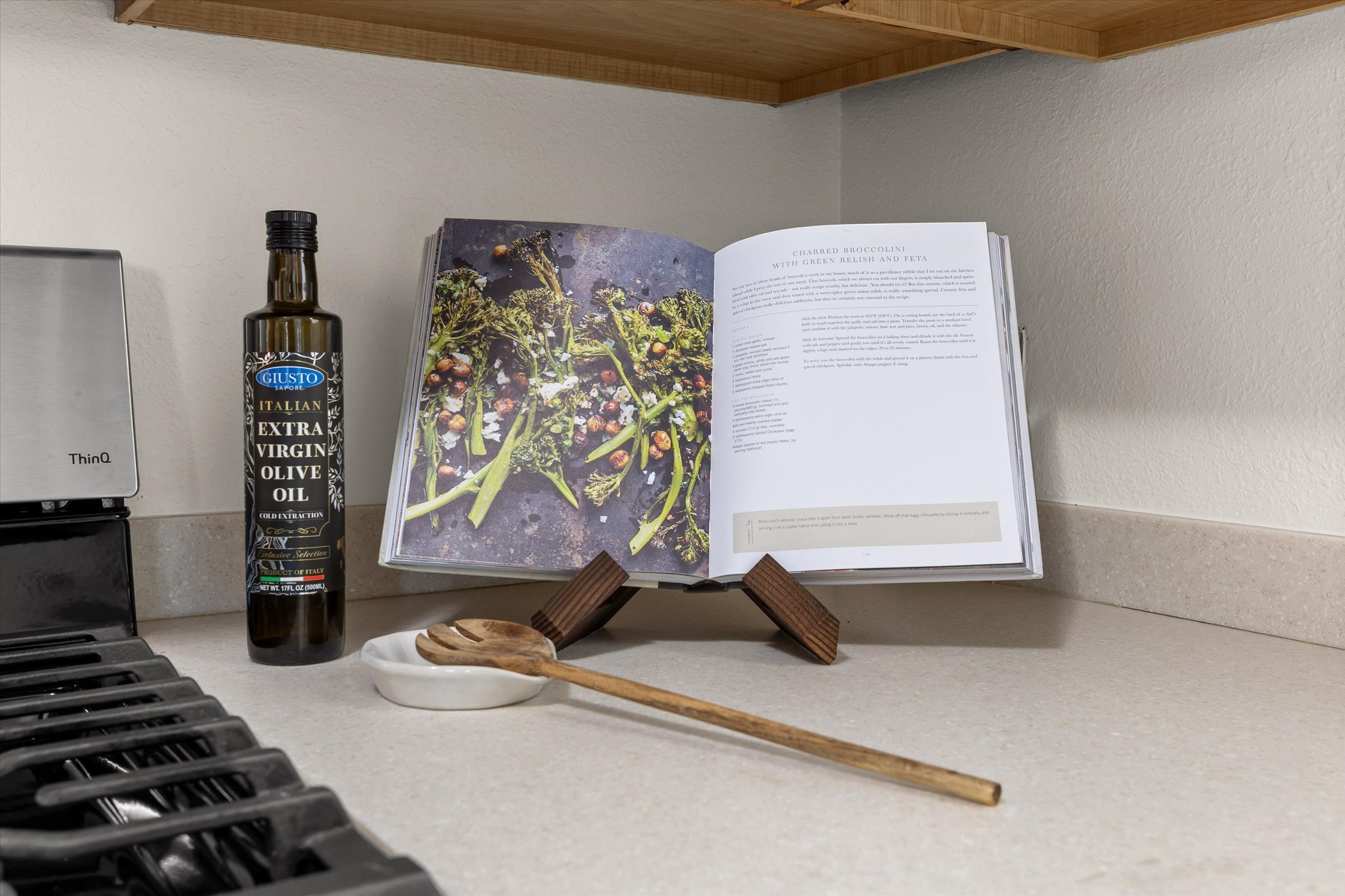
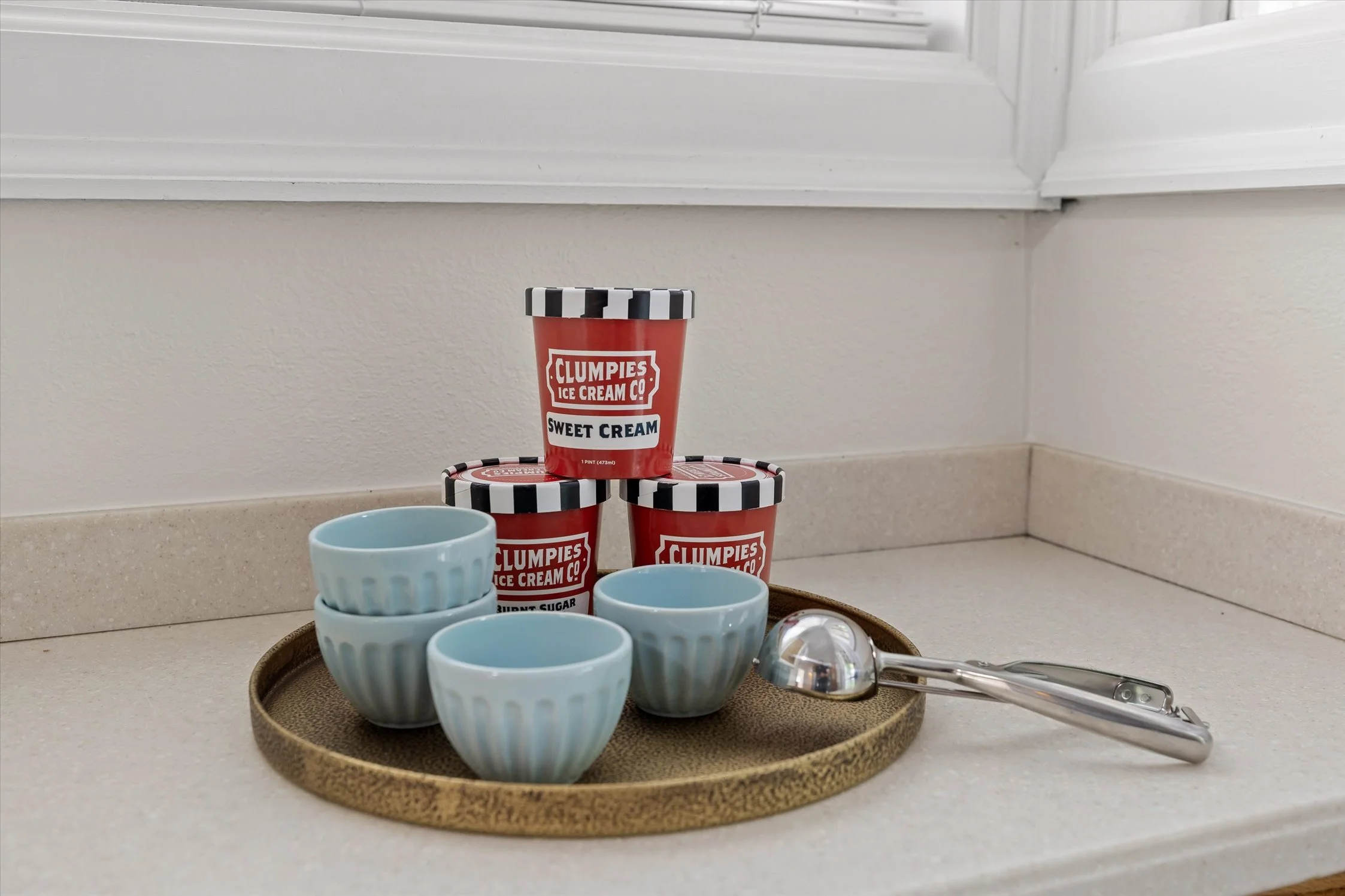
Kitchen
Bar stools at the island
A bowl of fruit or light décor
Keep countertops mostly clear
Primary Bedroom
Neutral bedding and minimal furniture
Clean, hotel-like feel
Emphasize space and light
Entryway
Console table or bench
Mirror or artwork
First impressions matter
Design Tips for Effective Soft Staging
Keep it neutral: Whites, beiges, and soft grays appeal to the widest audience
Less is more: Don’t overcrowd rooms—space is a selling feature
Use scale wisely: Furniture should fit the room without making it feel smaller
Layer lightly: Rugs, pillows, and throws add warmth without heaviness
Let light lead: Avoid blocking windows or natural light sources
Soft Staging vs. Virtual Staging
While virtual staging can enhance listing photos, it doesn’t help during in-person showings. Soft staging offers:
A real, tactile experience
Consistency between photos and reality
Greater trust from buyers
In many cases, a combination of both can be powerful—but physical presence still wins when buyers walk through the door.
Final Thoughts
Soft staging is one of the most effective tools for marketing new construction homes in today’s market. It respects the clean, modern appeal of a new build while adding just enough warmth and function to help buyers connect emotionally.
For builders, developers, and agents, it’s a practical strategy that delivers maximum impact with minimal investment—and in a competitive market, that edge can make all the difference.
If you want, I can tailor this specifically for your market (like Chattanooga or Atlanta) or make it more geared toward builders vs. realtors.